May 13, 2026 Reading Time: < 1 minute

Reading Time: < 1 min read
Vinura Gamage
Research Intern at the Lakshman Kadirgamar Institute of International Relations and Strategic Studies (LKI)
Abstract: The Generalized Scheme of Preferences Plus (GSP+) of The European Union provides tariff preferences to beneficiary states that ratify and effectively implement 27 international conventions, including core labour standards. Focused on this framework of conditionality,
“effective implementation” takes a prominent role extending beyond formalities of ratification to include enforcement, sustained compliance and practice within institutions. Among the labour conventions, ILO convention No. 87 on Freedom of Association holds a key position within the EU monitoring process as a result of its relevance to labour relations and governance. The study examines how the European Union assesses effective implementation under GSP+, focusing on freedom of association in Sri Lanka. EU GSP+ monitoring reports, findings of the ILO supervisory bodies alongside the reports of the Committee of Experts on the Application of Conventions and Recommendations (CEACR), were analyzed to identify patterns within evaluative language concerning enforcement and effective implementation. A domestic case study is used to illustrate the difference between constitutional recognition of freedom of association and the limitations encountered in judicial enforcement. The study finds that the EU’s assessment framework places prominent weight on the concerns that persist over time and the nature of responsiveness from institutions rather than the mere existence of isolated legislative reforms. Within this context, gaps in enforcement under the GSP+ conditionality framework may generate compliance issues, even with the existence of formal legal guarantees.
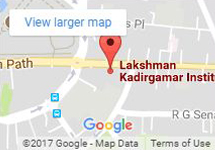
24 Horton Place
Colombo 7
Sri Lanka
A think tank engaging in independent research of Sri Lanka’s international relations and strategic interests, to provide insights and recommendations that advance justice, peace, prosperity, and sustainability.