May 13, 2026 Reading Time: < 1 minute
Reading Time: < 1 min read
Aakil Riyaz
Research Intern at the Lakshman Kadirgamar Institute of International Relations and Strategic Studies (LKI)
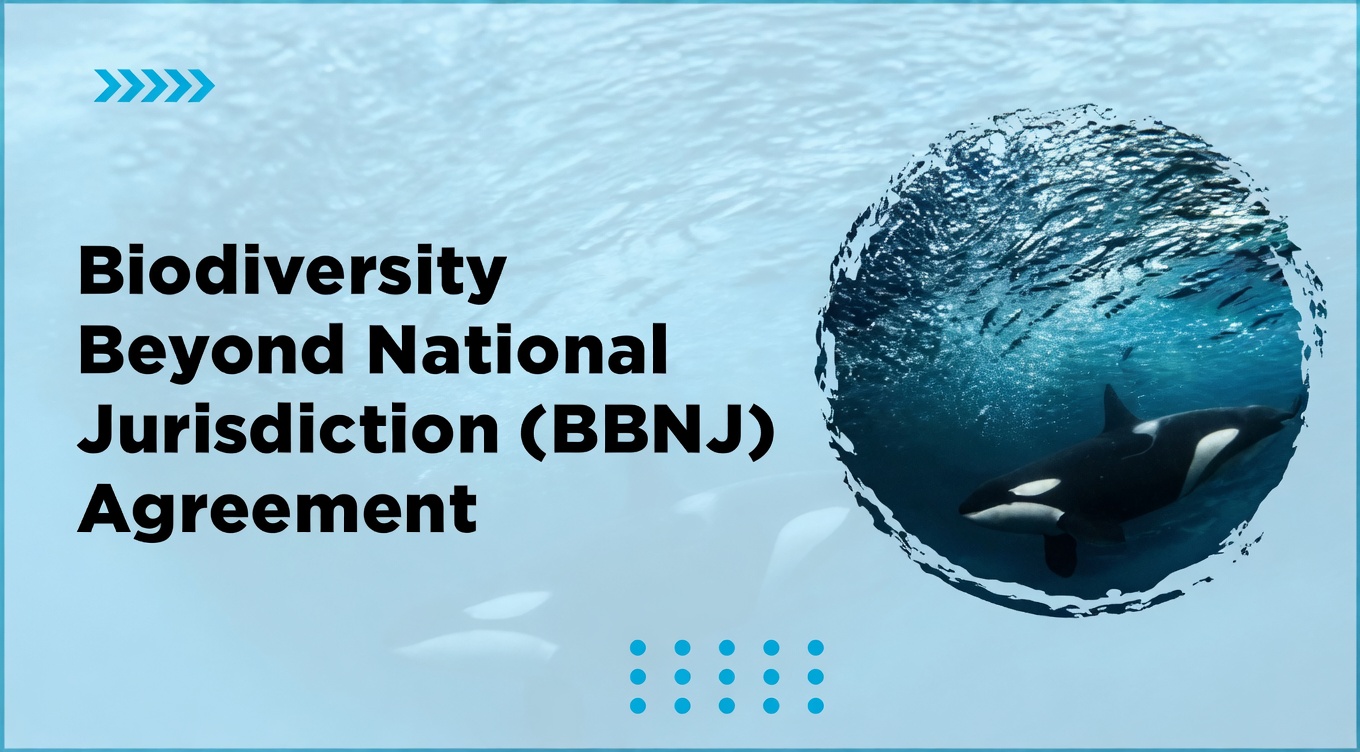
Abstract: This Policy Brief examines what the BBNJ Agreement, the landmark 2023 treaty on marine biodiversity beyond national jurisdiction, which entered into force on 17th January 2026, actually demands of Sri Lanka as a State Party. Sri Lanka was among the four countries whose ratification instruments triggered the Agreement’s entry into force, which also functioned as a gesture of leadership that carried forward tangible obligations alongside its strong diplomatic symbolism. However, the domestic architecture needed to meet those obligations, such as a coherent legal framework and integrated institutional arrangements do not yet exist in a form suited to the task. Drawing on the treaty text, Sri Lanka’s existing maritime framework(s), and international experience(s), this paper examines the structural gaps, makes the case for a coordinated national response, and presents a practical roadmap for BBNJ implementation in Sri Lanka.

24 Horton Place
Colombo 7
Sri Lanka
A think tank engaging in independent research of Sri Lanka’s international relations and strategic interests, to provide insights and recommendations that advance justice, peace, prosperity, and sustainability.