May 31, 2026 Reading Time: < 1 minute
Reading Time: < 1 min read
Venura Jayaratne
Research Intern at the Lakshman Kadirgamar Institute of International Relations and Strategic Studies (LKI)
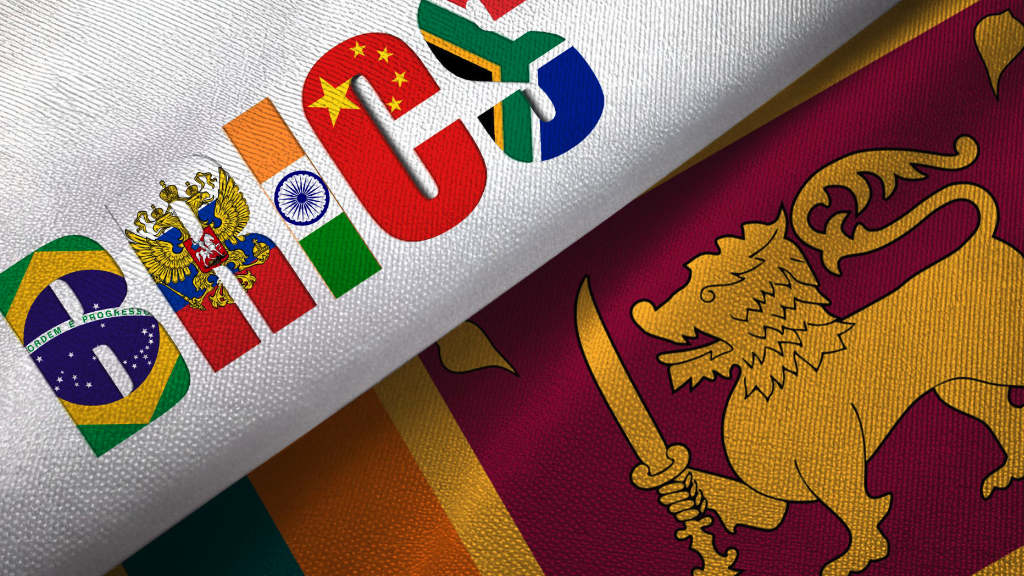
Abstract: – Sri Lanka formally applied for BRICS membership at the October 2024 Kazan Summit under the Dissanayake government. The application was not taken up in the January 2025 partner state selections, and Brazil’s BRICS presidency has indicated that further expansion will be assessed case by case. This study asks whether the bid is tenable, what form of association is realistic, and what the foreign policy consequences of different outcomes would be. The study draws on qualitative desk-based analysis of official BRICS documentation, small state foreign policy scholarship, and published expert commentary. It argues that full membership is not tenable in the short to medium term. Three constraints account for this: the expansion process is on hold, India’s political support for a Sri Lankan bid is uncertain, and Sri Lanka’s active IMF Extended Fund Facility imposes costs the current economic recovery cannot absorb. Sri Lanka’s existing NDB membership is the most concrete near-term form of BRICS engagement available. Partner state status in a future round is the next realistic step, contingent on diplomatic groundwork not yet completed. The study applies hedging theory and Sri Lanka’s non-aligned foreign policy tradition as its analytical lens, with comparative reference points from Bangladesh, Vietnam, and the UAE. Five policy recommendations address NDB engagement, partner state positioning, India relationship management, membership deferral, and the public framing of non-alignment.
24 Horton Place
Colombo 7
Sri Lanka
A think tank engaging in independent research of Sri Lanka’s international relations and strategic interests, to provide insights and recommendations that advance justice, peace, prosperity, and sustainability.